First-Timer's Guide to Cenotes: What to Expect and How to Prepare
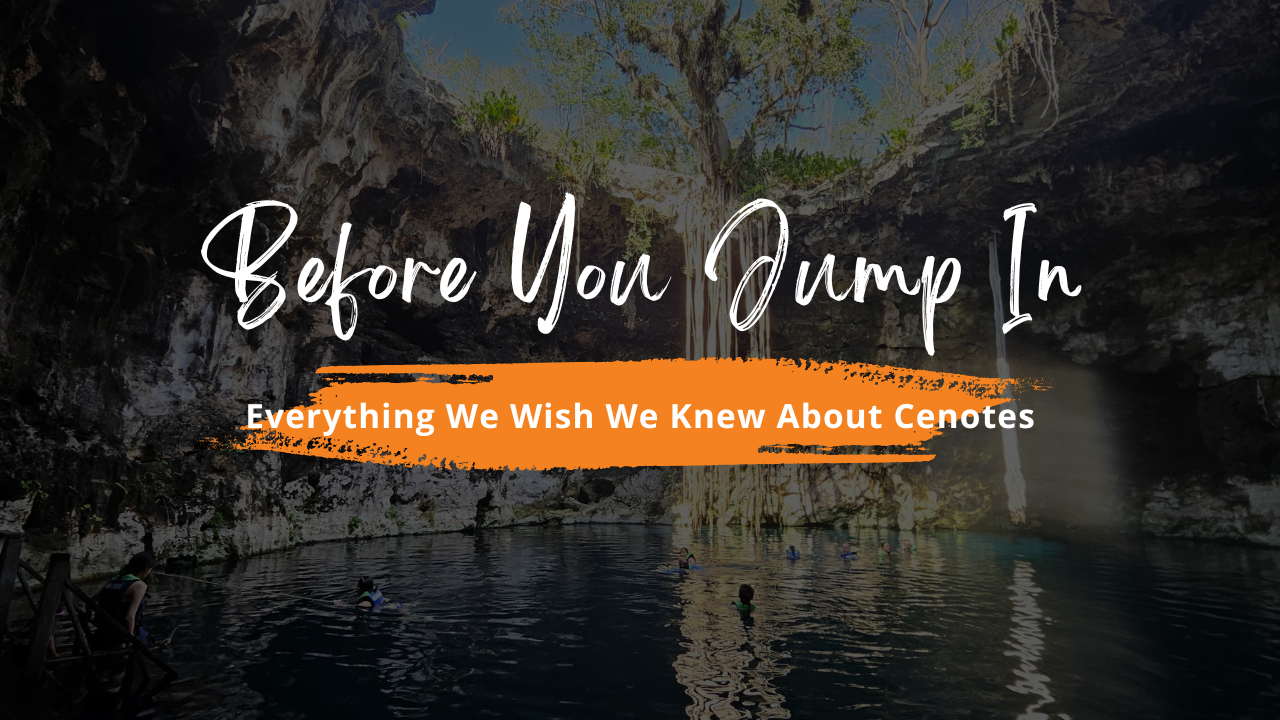
Welcome back to the blog, adventurers! In our latest podcast episode, "A Hidden Place in Mexico We’re Not Ready to Share Yet," we dove deep into a recent birthday trip that took us off the beaten path and introduced us to some of the most breathtaking natural wonders Mexico has to offer. While the exact location remains a secret for now (you'll have to tune in to see if we hit our follower goals!), the heart of that adventure undeniably beat with the magic of cenotes. For many of us, the word "cenote" might evoke images of crystal-clear waters and lush jungle, but for those who haven't experienced them firsthand, there's a natural curiosity about what they truly are and what visiting one entails. That’s precisely what this blog post is all about. We’re pulling back the curtain to give you a comprehensive, first-timer's guide to cenotes, sharing our initial awe and providing practical advice to ensure your own cenote exploration is as unforgettable as ours. Get ready to discover what awaits you in these natural swimming holes and how to make the most of your visit.
What Exactly IS a Cenote? A Beginner's Explanation
Let's start with the basics. For those unfamiliar, a cenote (pronounced seh-NO-tay) is essentially a natural pit or sinkhole that exposes groundwater. The term "cenote" comes from the Mayan word "dzonot," which means "sacred well." And sacred they were! The ancient Maya considered cenotes to be entrances to the underworld and vital sources of fresh water, often performing rituals and making offerings at these sites. Geologically, cenotes are formed when limestone bedrock collapses, revealing the underground water system beneath. The Yucatán Peninsula, where our recent adventure took place, is particularly rich in cenotes due to its porous limestone geology and the presence of ancient underground river systems. These aren't just puddles; they can range in size from small, intimate pools to vast, open-air caverns, each with its own unique characteristics. Some are fully submerged caves, requiring diving or specialized snorkeling gear to explore, while others are open-air or semi-open, allowing sunlight to dapple the water’s surface. The water itself is often incredibly clear, filtered naturally through the limestone, and remarkably refreshing, especially on a warm day.
The Road Less Traveled: Our Journey to the Yucatán Peninsula
Our journey to discover these hidden gems began with a deliberate choice to explore a less-trafficked part of the Yucatán Peninsula. As podcast hosts who thrive on finding unique travel experiences, we often find ourselves drawn to destinations that offer a sense of discovery. For this particular birthday trip, the goal was to disconnect, reconnect with nature, and immerse ourselves in a culture and landscape we hadn't fully explored. Driving through the Yucatán is an experience in itself. The roads, while sometimes narrow and winding, often cut through dense jungle, offering glimpses of local life and the vibrant green foliage that characterizes the region. The anticipation builds with every mile, knowing that just beyond the next bend, a natural wonder might be waiting. We intentionally sought out areas away from the more tourist-heavy spots, aiming for a more authentic and serene encounter with the cenotes. This "road less traveled" approach, as we discuss in the episode, was key to unlocking the profound sense of peace and wonder that the Yucatán, and its cenotes, offer.
First-Timer's Cenote Experience: What to Expect in the Jungle
Stepping out of the car and into the humid embrace of the jungle, the first thing you notice is the distinct change in atmosphere. The air is thick with the scent of earth and tropical foliage, and the sounds of the jungle – buzzing insects, chirping birds, and rustling leaves – create a natural symphony. The entrance to a cenote can vary wildly. Some have well-trodden paths and clear signage, while others might require a bit more adventurous spirit to find. Often, there's a small entrance fee, which usually contributes to the preservation of the site. As you approach, you might hear the gentle lapping of water or catch glimpses of the incredible turquoise or emerald hues. The descent into a cenote can also be an adventure. Some have stairs carved into the rock, others have ladders, and some might even involve a short swim to reach the main body of water. The moment you first lay eyes on the water itself is truly breathtaking. The clarity is often astonishing, allowing you to see straight to the bottom, where ancient rock formations and perhaps even small fish can be spotted. The sheer immensity of some cenotes can be humbling, while the intimacy of others feels like stumbling upon a secret oasis. Swimming in a cenote for the first time is a surreal experience. The water is cool and invigorating, a welcome contrast to the tropical heat. Floating in these natural pools, surrounded by the ancient limestone formations and the dappled sunlight filtering from above, you can’t help but feel a sense of awe and connection to nature. The echoes of the past seem to linger in the air, and it’s easy to understand why the Maya held these places in such high regard. In our episode, we talk about how for us, this was a profound moment of discovery, a feeling of stumbling upon something truly special that felt untouched by time.
Open-Air Cenotes: The Sunlit Wonders
These cenotes are characterized by their large, open ceilings, allowing abundant sunlight to illuminate the water. Imagine swimming in a natural pool, with the sky as your ceiling and lush vegetation framing the edges. The light play on the water is spectacular, creating shimmering patterns and highlighting the vibrant colors of the water. Many open-air cenotes are easily accessible and offer a more relaxed swimming experience. They are perfect for first-time cenote visitors who might be a little apprehensive about enclosed spaces. You can often see the surrounding jungle from within these cenotes, adding to the feeling of being immersed in nature.
Semi-Open Cenotes: A Glimpse of the Underground
These cenotes offer a fascinating blend of open and covered spaces. They might have a partial opening at the top, allowing some sunlight to penetrate, while also featuring cavernous sections. This creates a dramatic effect, with shafts of light cutting through the darker parts of the cenote, illuminating the stalactites and stalagmites that have formed over millennia. Swimming in a semi-open cenote feels like exploring a hidden realm, a transition between the known and the unknown. The contrast between the bright, sunlit areas and the mysterious depths is truly captivating.
Cave Cenotes: The Subterranean Secrets
For the more adventurous, cave cenotes offer a truly unique experience. These are fully submerged or mostly submerged underground caverns, requiring snorkeling or scuba diving to explore. The water here is often exceptionally clear, and the rock formations can be even more dramatic. Exploring a cave cenote feels like entering another world, a silent, ancient kingdom hidden beneath the earth’s surface. The experience is amplified by the use of underwater lights, which reveal the intricate details of the cave walls and the crystal-clear water. While these might be more intimidating for first-timers, the reward of witnessing such pristine underwater landscapes is immense.
Packing Essentials: What to Bring for Your Cenote Adventure
To ensure your cenote adventure is as enjoyable and stress-free as possible, a little preparation goes a long way. Here's a breakdown of what we found essential for our first-time explorations:
- Swimsuit: This is a no-brainer! Make sure it's comfortable and suitable for swimming.
- Towel: A quick-drying microfiber towel is ideal as it's lightweight and efficient.
- Water Shoes or Aqua Socks: The terrain around cenotes can be slippery and rocky. Water shoes provide excellent grip and protect your feet.
- Waterproof Bag or Dry Bag: Essential for keeping your phone, camera, wallet, and other valuables dry, especially if you plan to swim or kayak.
- Sunscreen (Reef-Safe/Biodegradable): This is crucial for protecting yourself from the sun, but even more importantly, for protecting the delicate ecosystems within the cenotes. Opt for sunscreens that don't contain oxybenzone or octinoxate, which can harm marine life.
- Insect Repellent: Especially important for jungle environments. Apply before you go to the cenote and reapply as needed.
- Snorkel Gear (Optional): While many cenotes offer rentals, if you have your own and prefer to use it, bring it along. The underwater visibility can be astounding!
- Water Bottle: Stay hydrated! Many cenotes have places to refill your bottle.
- Cash: Entrance fees and any small purchases are often cash-only.
- Camera (Waterproof or with Waterproof Case): You'll want to capture the incredible beauty, so make sure your camera is protected.
- Lightweight, Quick-Drying Clothing: Easy to wear over your swimsuit and dries quickly.
- Hat and Sunglasses: For protection when you're not in the water.
Remember that some cenotes might have strict rules about what you can bring, so it’s always good to check in advance if possible. However, the items listed above are generally safe bets for a comfortable and enjoyable visit.
Timing is Everything: Best Times to Visit for an Unforgettable Experience
When it comes to cenotes, timing can significantly impact your experience. The best time to visit often depends on what you’re looking for.
Avoiding the Crowds: Early Mornings and Late Afternoons
If you dream of having a cenote mostly to yourself, aim for early mornings, right when they open, or late afternoons, about an hour before closing. During these times, tour buses are less likely to be present, and you can often enjoy the tranquility of the water with fewer people. This is especially true for the more popular cenotes, but even lesser-known ones can get busy during peak hours.
The Magic of the Sunbeams: Midday
For cenotes that are partially or fully open-air, visiting around midday can be spectacular. This is when the sun is at its highest, creating those iconic, ethereal sunbeams that pierce through the water. The light show is truly a sight to behold and makes for incredible photographs. However, be prepared for more company during these prime sunlit hours.
Weather Considerations: Dry Season vs. Rainy Season
The Yucatán Peninsula has a tropical climate with distinct dry and rainy seasons. The dry season (roughly November to April) offers more predictable sunny days, making it ideal for outdoor activities. The rainy season (May to October) can bring afternoon showers, but these are often brief and can actually make the jungle more lush and vibrant. Some cenotes might appear more impressive after rain, with water levels potentially higher. However, heavy rains can sometimes affect water clarity.
Ultimately, the "best" time is subjective. For us, the peaceful solitude of a less crowded cenote, even if the sunbeams weren't at their peak, was incredibly rewarding. In our episode, we emphasize the joy of disconnecting, and that's much easier to achieve when you're not battling for space.
Beyond the Cenotes: Other Wonders of the Yucatán
While cenotes were the stars of our recent trip, the Yucatán Peninsula offers a wealth of other incredible experiences. As we alluded to in the podcast, our adventure extended beyond just these natural wonders. The region is steeped in history and natural beauty:
- Mayan Ruins: Explore ancient Mayan cities like Chichen Itza, Uxmal, and Ek Balam. These archaeological sites are not only historically significant but also offer stunning architecture and a glimpse into a lost civilization.
- Colonial Cities: Mérida, the capital of Yucatán, is a vibrant colonial city with beautiful architecture, lively markets, and a rich cultural scene. Valladolid is another charming colonial town that serves as a great base for exploring cenotes.
- Beaches and Lagoons: The Yucatán coast boasts some of Mexico's most beautiful beaches, from the lively shores of Cancún and Playa del Carmen to the more laid-back vibes of Isla Holbox or Mahahual. We also discovered a stunning lagoon on our trip that was vast and incredibly peaceful.
- Gastronomy: Yucatán cuisine is distinct and delicious, with influences from Mayan, Spanish, and Caribbean traditions. Don't miss trying cochinita pibil, sopa de lima, and marquesitas.
- Nature Reserves: Areas like Sian Ka'an Biosphere Reserve offer opportunities for birdwatching, exploring mangroves, and encountering diverse wildlife.
Our trip was a testament to the fact that even in well-trodden regions of Mexico, there are still hidden corners waiting to be discovered, offering a wealth of experiences that go far beyond the typical tourist trail.
Disconnecting to Reconnect: The Joy of True Relaxation
One of the most profound aspects of our recent trip, and something we discussed at length in the episode, was the opportunity to truly disconnect. In our hyper-connected world, finding moments of genuine peace can be challenging. The remote locations of many cenotes, coupled with our intentional decision to limit screen time, created the perfect environment for this. Without the constant ping of notifications or the urge to scroll through social media, our senses became heightened. We were more present, more aware of our surroundings, and more able to appreciate the simple beauty of nature. The feeling of swimming in crystal-clear water, with no agenda other than to float and breathe, is incredibly therapeutic. It’s a chance to shed the stresses of daily life and reconnect with oneself and with the natural world. This type of deep relaxation is something we actively seek out in our travels, and the cenotes provided it in abundance. It’s a reminder that sometimes, the most enriching experiences come when we step away from the digital noise and immerse ourselves in the present moment. This philosophy of "disconnecting to reconnect" is something we hope listeners take away from our podcast and this blog.
Conclusion: Why Cenotes are a Must-See for Every Traveler
Our first-time experience with cenotes was nothing short of magical. They are more than just swimming holes; they are geological marvels, historical sites, and deeply spiritual places. From the awe-inspiring clarity of the water to the ancient formations that surround them, cenotes offer a unique and unforgettable encounter with nature. Whether you're an experienced traveler or embarking on your first major adventure, we wholeheartedly believe that exploring cenotes should be on your bucket list. They offer a perfect blend of natural beauty, adventure, and the opportunity for profound relaxation. As we shared in our latest episode, "A Hidden Place in Mexico We’re Not Ready to Share Yet," the Yucatán Peninsula holds so many secrets, and the cenotes are undoubtedly some of its most precious jewels. We encourage you to venture out, explore these natural wonders, and allow yourself to be captivated by their timeless beauty. Happy exploring!

COO, Entrepreneur & Host of This Might Be a Bad Idea
Erica Wright has never been afraid to take a leap. She began her career in Miami in 2006 in direct sales, learning fast how to grow teams, motivate people, and hit ambitious goals. By 2008, she took her first big international risk—moving to England to expand operations across the U.K. There, she managed 25 sales managers and trained staff across 25 offices, opening new locations and proving her ability to scale businesses on a global stage.
In 2014, Erica returned to the U.S. and found her way into real estate. What started as a new chapter quickly grew into a calling. Today she serves as Chief Operating Officer at VRA Realty, where she’s helped the brokerage grow from under 100 agents to a thriving, multi-office firm with an ambitious vision: creating 100 accredited investors through real estate. She also oversees affiliated entities spanning property management, lending, and investment funds, bringing her trademark mix of systems, strategy, and people-first leadership to everything she touches.
Erica’s story doesn’t stop at business. In 2023, she founded Steven’s Wings: Global Youth Adventures in memory of her brother, creating opportunities for underserved youth to travel the world. And in 2025, she and her husband Jeff made their boldest move yet: relocating to Mérida, Mexico with six suitcases and their cat Leo. Their experiences abroad—equal parts adventure, chaos, and questionable decisions—became the inspiration for their podcast This Might Be a Bad Idea, where they share what it really looks like to uproot your life and start fresh.
Whe…Read More

Uber in Mérida Mexico: Do You Need a Car to Live Here?