Mexico Residency: The Consulate-to-Canje Process Explained
Welcome back to the blog, folks! In our latest episode of the podcast, we dove deep into the exciting, and sometimes daunting, world of obtaining legal residency in Mexico. We were thrilled to have Mariana from MaxLife Yucatan join us to share her invaluable expertise on navigating this often-complex process. If you’re dreaming of more sun, more culture, and a more affordable lifestyle south of the border, then understanding how to legally establish yourself is paramount. This blog post is designed to expand on the core topic of that episode: the “consulate-to-canje” process. We’ll break down each step, illuminate what documents you’ll absolutely need, and highlight the common mistakes that can derail your application. Our goal here is to equip you with the knowledge to make your transition from a temporary visitor to a legal resident as smooth and successful as possible. For a more comprehensive discussion that covers everything from common expat errors to the intricacies of real estate and long-term living in Mexico, be sure to check out the full episode: Moving to Mexico Legally: What Every Expat Gets Wrong | ft. MaxLife Yucatan. Mariana’s insights are truly game-changing, and this blog post aims to provide a detailed roadmap based on her expert advice.
Understanding the Consulate-to-Canje Process: What is it?
The term "consulate-to-canje" might sound like a secret code, but it's actually a very practical and common pathway for foreigners to obtain Mexican residency. Essentially, it's a two-stage process that begins at a Mexican consulate in your home country (or wherever you currently hold legal residency) and concludes in Mexico itself. The 'consulate' part refers to the initial application for a residency visa, which you must obtain *before* you arrive in Mexico with the intention of becoming a resident. The 'canje' (pronounced "kahn-heh"), meaning "exchange" in Spanish, refers to the subsequent process within Mexico where your temporary visa is converted or "exchanged" into a formal residency card. This is the standard and most recommended route for most individuals planning a long-term move to Mexico.
Why this route? Mexico’s immigration system is designed to allow individuals to demonstrate their financial solvency or familial ties *before* granting them the right to reside permanently. Applying at a consulate abroad ensures that Mexican authorities have a chance to review your application in a controlled environment, reducing the likelihood of issues arising once you're already in Mexico. It's a system that prioritizes thoroughness and reduces the risk of individuals overstaying their tourist permits or attempting to circumvent the legal process.
The beauty of the consulate-to-canje process is its clarity. While it requires careful preparation, it offers a defined set of steps that, if followed correctly, lead to legal residency. It’s the responsible way to move, the way that sets you up for success and avoids potential headaches down the line. As Mariana emphasizes in the podcast, many expats run into trouble because they try to bypass this initial consular step, often underestimating the importance of securing the visa first.
Step-by-Step Guide to the Consulate-to-Canje
Let's break down the consulate-to-canje process into actionable steps. Remember, this is a general overview, and specific requirements can vary slightly between consulates, so always check the website of the Mexican consulate where you intend to apply.
Stage 1: Application at the Mexican Consulate
This is where your journey officially begins, outside of Mexico.
- Identify the Correct Consulate: You need to apply at the Mexican consulate that has jurisdiction over your place of residence. This is typically based on your mailing address. For example, if you live in California, you’ll likely apply at the Mexican Consulate in Los Angeles or San Diego, depending on your specific location.
- Determine Your Visa Type: Mexico offers several types of residency visas. The most common for those moving for financial reasons are:
- Temporary Resident Visa (Temporary Resident Visa - Economic Solvency): This is for individuals who can prove sufficient monthly income or savings. It’s typically granted for one year initially and can be renewed.
- Temporary Resident Visa (Temporary Resident Visa - Family Unity): For those who have a close family member who is a Mexican citizen or legal resident.
- Permanent Resident Visa (Permanent Resident Visa - Economic Solvency): This is for individuals who can demonstrate a higher level of financial solvency than for the temporary visa, or who have lived as temporary residents for a specified period.
- Permanent Resident Visa (Permanent Resident Visa - Family Unity): For spouses or minor children of Mexican citizens.
- Gather Required Documents: This is the most critical part of Stage 1. We'll detail these extensively in the next section, but generally, you'll need proof of identity, proof of financial means, and sometimes police records.
- Schedule an Appointment: Most consulates require appointments for visa applications. These can book up quickly, so plan well in advance.
- Attend Your Appointment: You will meet with a consular officer, submit your documents, and likely have your photograph and fingerprints taken. You will also pay the visa fee at this stage.
- Visa Approval and Issuance: If your application is approved, the consular officer will affix a visa sticker to your passport. This visa is typically valid for six months to enter Mexico.
Stage 2: The "Canje" Process in Mexico
Once you have your visa in hand, it's time to head to Mexico to complete the process.
- Enter Mexico: You must enter Mexico using the visa issued by the consulate. Your six-month entry window begins the moment you pass through immigration.
- Travel to Your Intended Residence: Settle into your new city or town.
- Schedule an Appointment with INM: This is the Instituto Nacional de Migración (National Institute of Migration). You will need to schedule an appointment at the INM office in the city where you intend to reside. Again, appointments can be competitive.
- Submit Your Documents to INM: You will present your passport with the visa, along with a new set of documents that often mirror those required by the consulate, but may also include proof of your address in Mexico and proof of payment of Mexican fees.
- Receive Your Temporary or Permanent Residency Card: If all goes well, INM will process your application and issue you a physical residency card. For temporary residents, this card is typically valid for one year and can be renewed. For permanent residents, it is generally a card that does not expire, though it may need to be updated periodically.
This entire process can take anywhere from a few weeks to several months, depending on how prepared you are and the efficiency of the consulate and INM offices. Patience and meticulous document preparation are your best friends.
Document Deep Dive: What You'll Need
The success of your consulate-to-canje application hinges on having the correct and complete documentation. While specifics can vary, here’s a breakdown of the most commonly requested items, particularly for the Economic Solvency visa:
For the Consulate Application:
- Valid Passport: Your passport must be valid for at least six months beyond the date you intend to enter Mexico. Ensure it has plenty of blank pages.
- Visa Application Form: Downloaded from the consulate's website and filled out completely.
- Passport-Sized Photographs: Usually specific requirements regarding size, background color (often white), and headshot.
- Proof of Financial Solvency: This is crucial and can be demonstrated in several ways:
- Bank Statements: Showing a consistent average monthly balance for a specified period (e.g., the last 6-12 months). The exact amount required is set by Mexican immigration and can change, but it's typically substantial.
- Income Verification: If you are employed or self-employed, you might need tax returns, pay stubs, or letters from your employer detailing your position and salary.
- Investment Statements: Proof of investments with a consistent monthly payout.
- Proof of Residence: A utility bill or driver's license showing you live within the consulate's jurisdiction.
- Police Clearance Certificate: From your country of residence for the past five years. This document typically needs to be notarized and apostilled. The requirements for apostille vary by country, so research this thoroughly.
- Birth Certificate: Often required, especially if applying for family-based visas. It may also need to be translated and apostilled.
- Marriage Certificate (if applicable): For family-based visas.
For the INM "Canje" Process in Mexico:
While many documents overlap, you'll also need:
- Your Passport with the Issued Visa
- Your Completed INM Application Form
- Original and Photocopies of All Submitted Documents
- Proof of Payment of Mexican Immigration Fees: These are paid within Mexico and can be done at designated banks. You will receive payment slips (referidos bancarios).
- Proof of Address in Mexico: A rental contract or utility bill in your name.
- Photographs: Sometimes additional photos are required for the residency card.
Important Note on Translations and Apostilles: Official documents not in Spanish often need to be accompanied by a certified translation. Furthermore, many foreign documents require an apostille, which is an international certification that authenticates the origin of a public document. This is a process that can take time and varies by country. Always check with the specific consulate for their requirements regarding translations and apostilles.
Common Pitfalls and How to Avoid Them
Even with careful planning, there are common missteps that can cause significant delays or even rejections in the residency process. Mariana touched upon many of these in the podcast, and here are a few key ones to watch out for:
- Insufficient Funds or Inconsistent Financials: This is by far the most common reason for visa denial. Consulates want to see consistent, verifiable financial means. Don't try to artificially inflate your bank balance just before applying. They look at averages over time.
- Incorrectly Filled Forms: Small errors or omissions on application forms can lead to immediate rejection. Double-check every field.
- Outdated or Missing Documents: Ensure all your documents are current and that you have all the required certifications (like apostilles).
- Applying at the Wrong Consulate: This sounds basic, but it’s crucial. Make sure you are within the jurisdiction of the consulate you choose.
- Letting Your Tourist Permit Expire: This is a critical mistake. You cannot change your status from a tourist to a resident while in Mexico on an expired permit. The consulate-to-canje process requires you to enter Mexico with a valid visa *before* your tourist permit expires.
- Misunderstanding Date Formats: As Mariana mentioned, this is a common, albeit frustrating, error. Mexico uses DD/MM/YYYY, while the US uses MM/DD/YYYY. A date like 01/02/2023 could mean January 2nd or February 1st, leading to accidental overstays if not carefully managed.
- Not Understanding the Timeline: The process takes time. Applying at the last minute when your current visa is about to expire is a recipe for disaster. Start the process months in advance.
- Not Having Copies: Always make multiple copies of every document you submit. You’ll need them for both the consulate and INM.
- Unclear Intentions: Be clear about why you want to reside in Mexico. If you indicate you're only looking for a short vacation, it can complicate your visa application.
The best way to avoid these pitfalls is to thoroughly research the specific requirements of the consulate you'll be using, speak with immigration experts like Mariana, and begin the process well in advance of your planned move.
Beyond the Consulate: Obligations as a Mexican Resident
Obtaining your residency card is a significant achievement, but it's not the end of your journey. As a legal resident of Mexico, you have responsibilities. Mariana highlights this in the podcast, and it’s essential to understand that residency grants you rights but also comes with obligations:
- Taxation: As a resident, you are generally obligated to pay taxes in Mexico on your Mexican-sourced income. If you are earning income from abroad, you'll need to understand Mexico’s tax treaties with your home country to avoid double taxation and report your global income correctly. Consulting a Mexican tax advisor is highly recommended.
- Renewals (for Temporary Residents): Temporary residency cards are typically valid for one year and must be renewed before they expire. Failure to renew on time will result in your residency status lapsing, and you may need to start the process over.
- Maintaining Legal Status: For permanent residents, while the card itself might not expire, you must maintain your legal status. This generally means not spending excessive time outside of Mexico if you are claiming it as your primary residence.
- Adhering to Mexican Laws: Like any resident in any country, you must abide by all Mexican laws and regulations.
- Understanding the "Migrant" Status: For those who eventually qualify for permanent residency, there's a distinction between "immigrant" (where you are coming from abroad with the intent to reside) and "migrant" (which is the status granted once you are legally residing in Mexico).
Ignoring these obligations can lead to fines, deportation, or difficulties with future immigration processes. Proactive understanding and compliance are key to a peaceful and sustainable life in Mexico.
Real Estate in Yucatán: What Expats Need to Know
The Yucatán Peninsula, with its vibrant culture, stunning beaches, and burgeoning cities like Mérida and Playa del Carmen, is a top destination for expats. Mariana also shed light on the unique aspects of real estate here, which is crucial for anyone planning to buy property:
- The "Fideicomiso" (Bank Trust): For foreigners purchasing property within the "restricted zone" (within 50 kilometers of the coast or 100 kilometers of the border), a bank trust, or "fideicomiso," is mandatory. This is a long-term leasehold agreement where a Mexican bank holds the title to your property in trust for your benefit. It's a secure way to own property, and many expats live their entire lives with properties held in fideicomisos.
- Direct Purchase: Outside the restricted zone, foreigners can purchase property directly in their name.
- Legal Representation: This is paramount. Many expats make the mistake of not hiring their own independent lawyer. A buyer's agent and a reputable real estate attorney will ensure that the title is clear, all permits are in order, and that your interests are protected throughout the transaction. Mariana stressed that the seller's agent represents the seller’s interests, not yours.
- Due Diligence: Thoroughly research the developer, the property’s history, and any outstanding debts or liens.
- Understanding Property Taxes: Property taxes in Mexico (known as "predial") are generally much lower than in many parts of the US and Canada.
Having a solid understanding of the real estate landscape and engaging trusted professionals is vital for a successful property purchase in the Yucatán.
Who Thrives in Mexico Long-Term?
Beyond the paperwork and the practicalities, what makes someone truly thrive in Mexico long-term? Mariana offered some excellent insights:
- Adaptability: Mexico is a beautiful country with a unique culture, but it’s not an idealized version of your home country. Being open to cultural differences, adapting to a different pace of life, and embracing the local customs is crucial.
- Patience and Resilience: Bureaucracy can be slow, and things don't always go according to plan. A good dose of patience and the ability to navigate challenges with a positive attitude are invaluable.
- A Sense of Community: Whether it's connecting with other expats or becoming involved in local community initiatives, building a social network is key to feeling settled and happy.
- Financial Prudence: While Mexico can be more affordable, a lack of financial planning can still lead to stress. Understanding your budget and living within your means is as important as anywhere else.
- Language Skills: While many people in tourist areas speak English, learning Spanish significantly enhances your experience, deepens your connections, and makes navigating daily life much easier.
- A Genuine Love for the Culture: Ultimately, those who thrive are those who are genuinely drawn to Mexico's rich history, vibrant people, delicious food, and diverse landscapes.
It's not just about finding a cheaper place to live; it's about embracing a new way of life.
Conclusion: Your Smooth Transition to Mexican Residency
Navigating the path to Mexican residency can seem like a labyrinth, but with the right knowledge and preparation, it’s an entirely achievable goal. The consulate-to-canje process, while detailed, provides a clear roadmap for legal residency. By understanding each step, meticulously gathering your documents, and being aware of potential pitfalls, you can significantly increase your chances of a smooth and successful transition. Remember, the insights shared by Mariana from MaxLife Yucatan in our latest episode, Moving to Mexico Legally: What Every Expat Gets Wrong | ft. MaxLife Yucatan, are invaluable for anyone serious about making this move. Don't underestimate the power of expert advice and thorough preparation. Whether you’re drawn by the allure of the Riviera Maya, the colonial charm of the highlands, or the vibrant energy of cities like Mérida, your dream of living in Mexico can become a reality with careful planning and execution. Embrace the process, enjoy the journey, and get ready to experience all that Mexico has to offer as a legal resident!
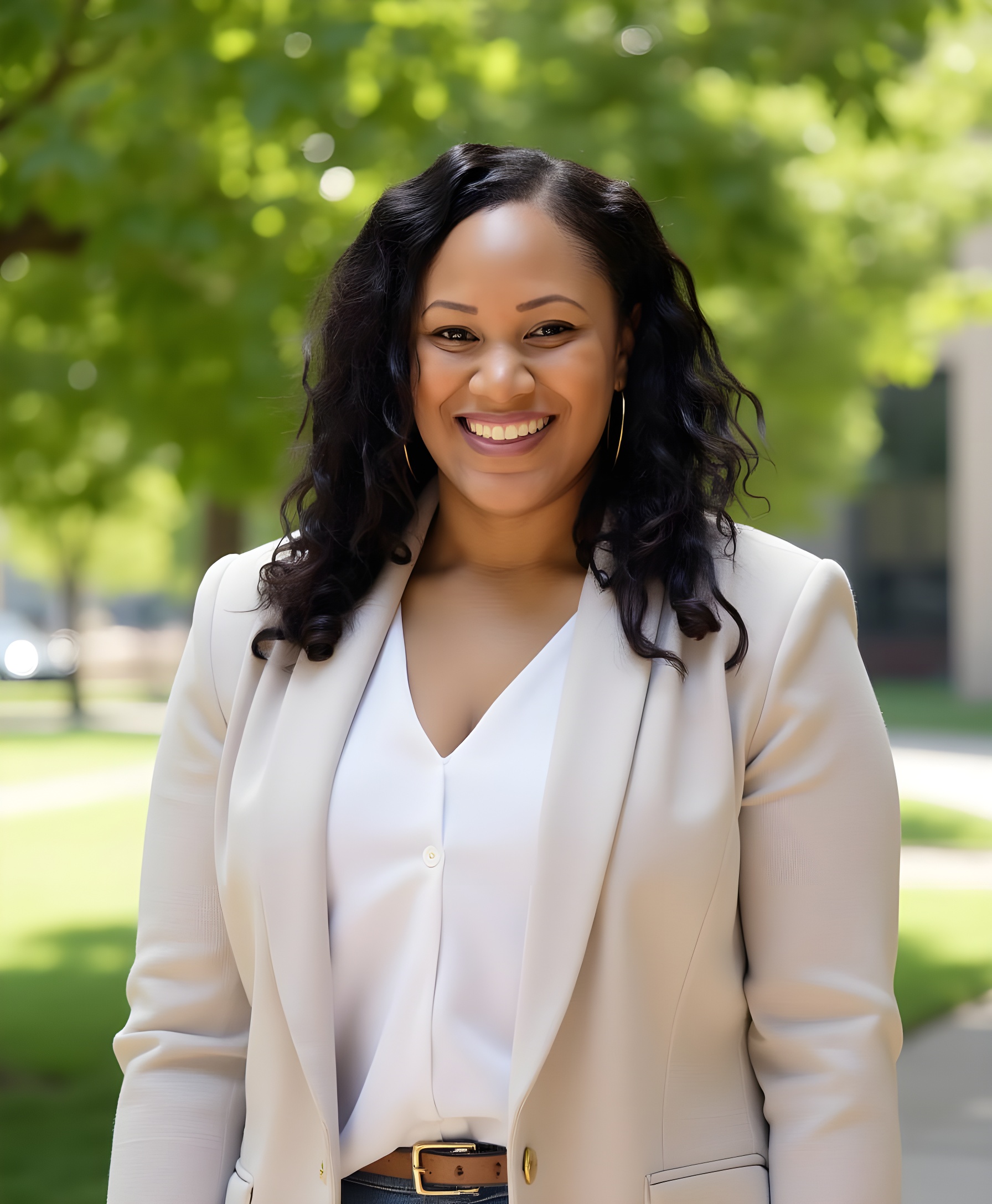
COO, Entrepreneur & Host of This Might Be a Bad Idea
Erica Wright has never been afraid to take a leap. She began her career in Miami in 2006 in direct sales, learning fast how to grow teams, motivate people, and hit ambitious goals. By 2008, she took her first big international risk—moving to England to expand operations across the U.K. There, she managed 25 sales managers and trained staff across 25 offices, opening new locations and proving her ability to scale businesses on a global stage.
In 2014, Erica returned to the U.S. and found her way into real estate. What started as a new chapter quickly grew into a calling. Today she serves as Chief Operating Officer at VRA Realty, where she’s helped the brokerage grow from under 100 agents to a thriving, multi-office firm with an ambitious vision: creating 100 accredited investors through real estate. She also oversees affiliated entities spanning property management, lending, and investment funds, bringing her trademark mix of systems, strategy, and people-first leadership to everything she touches.
Erica’s story doesn’t stop at business. In 2023, she founded Steven’s Wings: Global Youth Adventures in memory of her brother, creating opportunities for underserved youth to travel the world. And in 2025, she and her husband Jeff made their boldest move yet: relocating to Mérida, Mexico with six suitcases and their cat Leo. Their experiences abroad—equal parts adventure, chaos, and questionable decisions—became the inspiration for their podcast This Might Be a Bad Idea, where they share what it really looks like to uproot your life and start fresh.
Whe… Read More

Pest Control in Merida, Mexico: How Often Expats Should Treat Their Home